
The New Age of Phishing: Deepfakes and Voice Scams in Corporate Environments
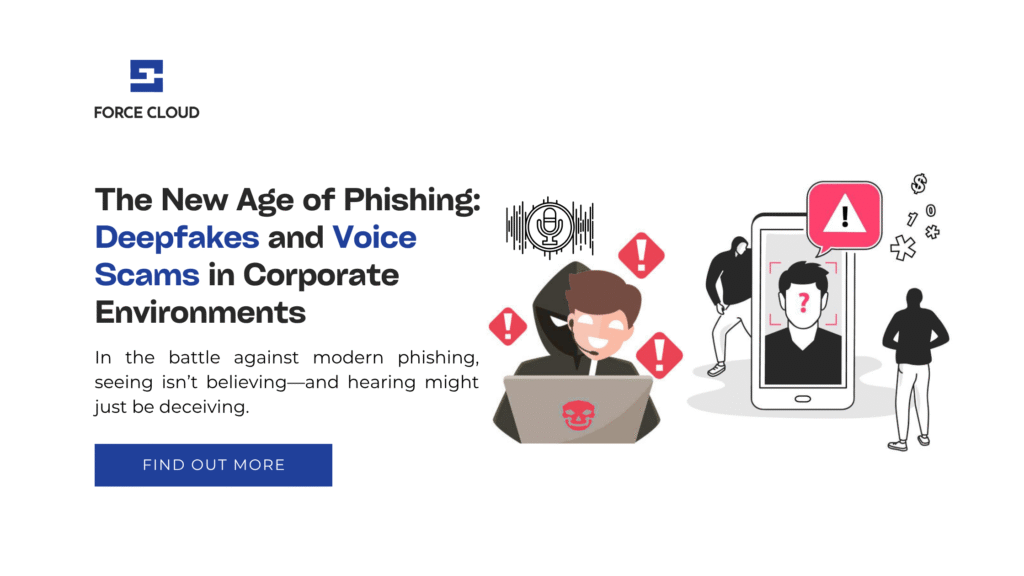
In today’s hyper-connected corporate world, phishing is no longer only about poorly written emails from untrustworthy sources. These cyber threats we are facing in 2025 are smarter, more convincing, and more technologically advanced than ever before. One of the most alarming trends on this path toward intelligent digital attacks is deepfake technology and artificially generated voice scams that are rapidly gaining momentum as the next frontier in social engineering attacks. In this blog post we will cover the details of these emerging threats, the real world challenges they pose, and what companies can do to protect themselves from them.
Securing Supply Chains Eliminating the Weakest Link in Cyber Defense
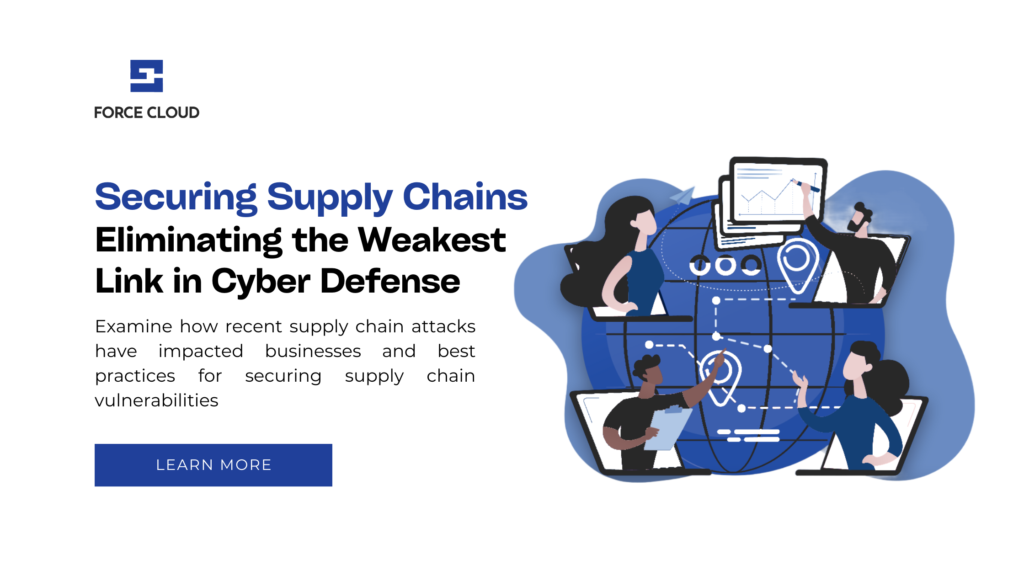
In today’s interacted digital scenario, organizations are only safe as their weakest link. The supply chain has proven to be an important concern for security businesses, as cyber criminals quickly utilize third -party party and suppliers to break. With the attacks of the large supply chain such as Solarwind and KCIA events, it is clear that cyber defense strategies should expand beyond internal security measures. This blog post examines the effect of recent attacks in the supply chain, identifying general weaknesses, and the supply chain prepares the best practice to reduce the risk in safety.
Smart Salesforce Strategies for SMB Success
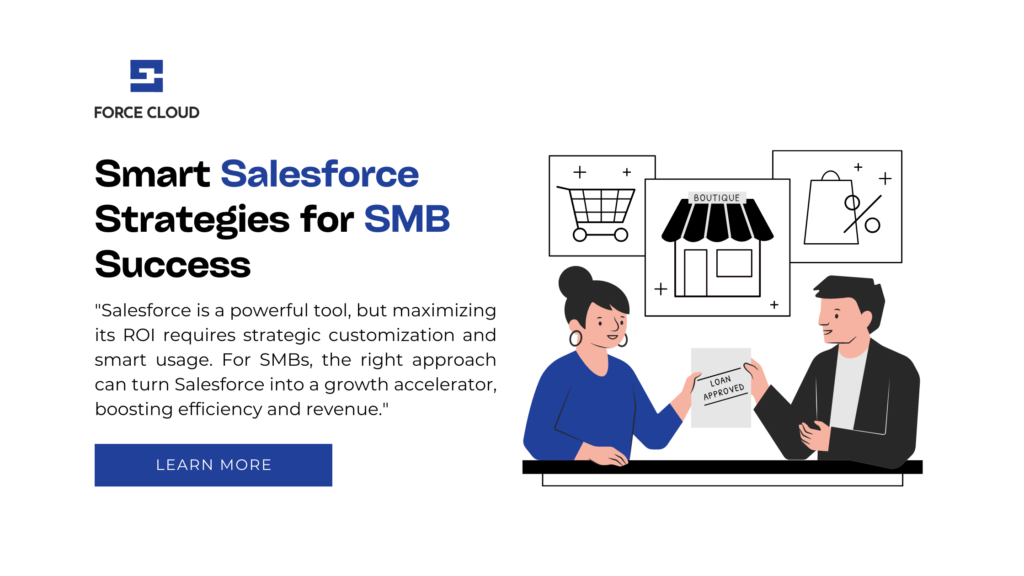
Salesforce is one of the most powerful platforms for customer relationship management (CRM) available today. For small and medium -sized companies (SMB), the challenge is not only to use Salesforce, but also takes maximum advantage to ensure a strong return on investment (ROI). Given limited budget and resources, SMB should focus on smart adaptation, best practice and efficient use to achieve maximum value. This guide will find out how SMB can adapt to your Salesforce investments to increase efficiency, customer relationship and sales growth.
Guardians or Threats? Exploring AI’s Ethical Role in Cybersecurity
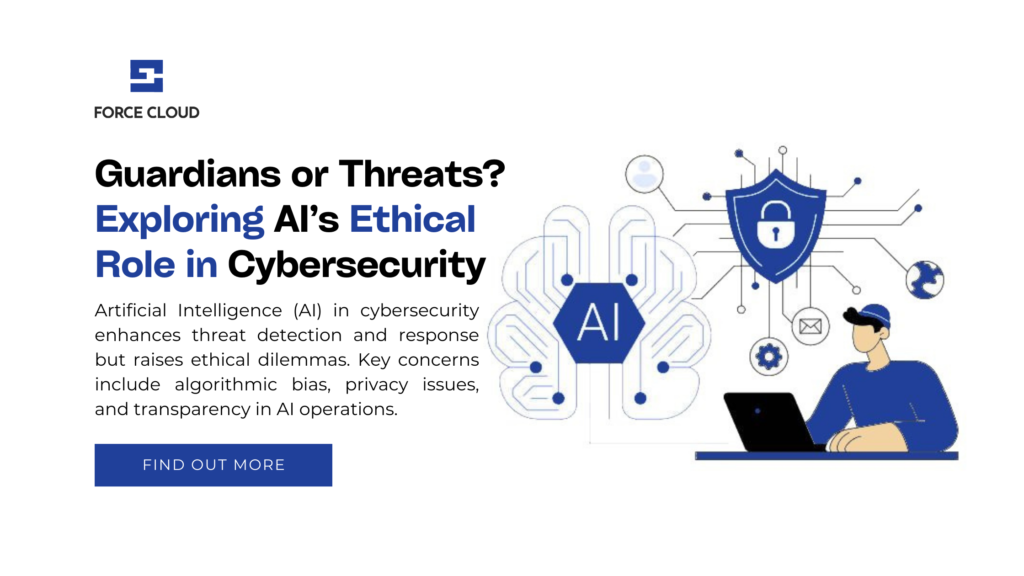
The fast integration of Artificial Intelligence (AI) into numerous industries has transformed the panorama of technology and security. In cybersecurity, AI performs a essential position in danger detection, incident reaction, and predictive analytics. However, the adoption of AI additionally raises profound moral challenges. These challenges consist of potential biases in algorithms, privateness issues, and issues related to transparency. Addressing those issues is vital to make certain that AI serves as a pressure for good without compromising moral requirements.
How to Protect Your Remote Workforce from Cyber Threats
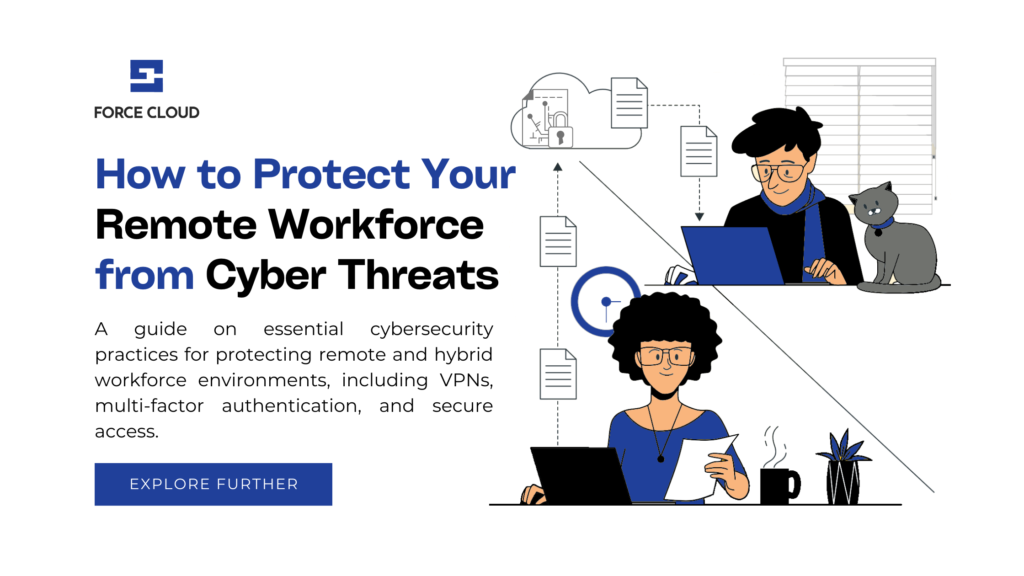
The transition to remote and hybrid work environments revolutionized the way businesses operate. Employees now have the ability to work virtually anywhere, allowing organizations to attract top talent and reduce operating costs. However, these changes also present unique cybersecurity challenges. Ensuring that critical data and systems remain secure while hosting a distributed workforce is critical.
How Zero Trust Ensures Your Business Stays One Step Ahead of Cyber Threats
In an era where cyber threats are becoming more sophisticated and enterprises are rapidly evolving, traditional networks that rely heavily on perimeter defenses are no longer appropriate The zero trust security model emerges as a robust alternative emphasizing a “never trust, always verify” approach . Assuming this paradigm shift focuses on today’s often decentralized workplace, protecting against threats both internal and external to the network, this article delves into the principles of any kind of trust and explores how companies can adopt this model to protect their operations.
Quantum Computing’s Impact on Cybersecurity
Quantum computing is about to dramatically change the way most industries operate, thanks to its unmatched processing capacity, but one sector that may transform significantly as a result of quantum technology includes cybersecurity. Classical computers would need centuries to break the complex mathematical algorithms encryption is based on, but quantum computers could do that in seconds.